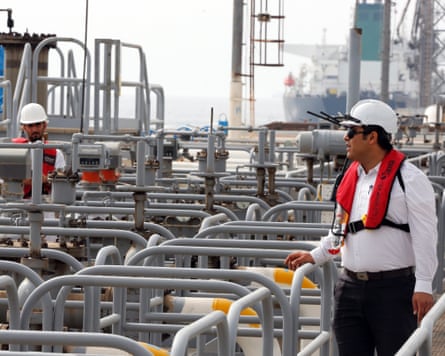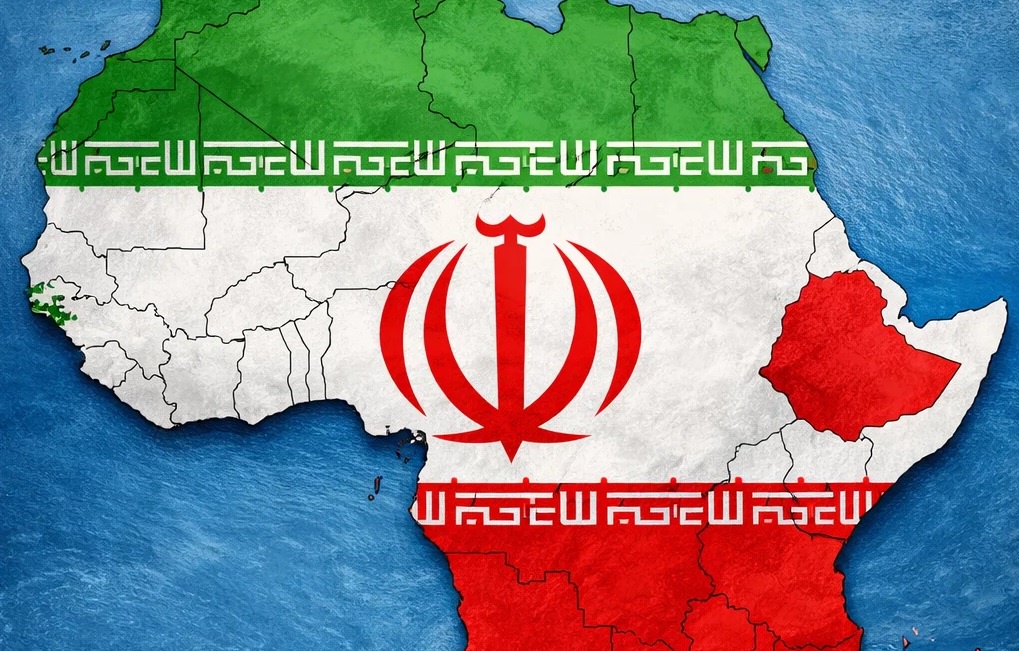
Warning lights were already blinking before Iran closed the Strait of Hormuz and tightened choke points for global shipping. That disruption has amplified economic risks that were growing quietly in the background, and it is creating fresh headaches for a president who needs voters to feel steady progress at home.
Early cracks and a political problem
Economic data had been softening even before the shipping disruption. Rising oil and gas costs threaten household budgets by reducing what families can spend on other things. That makes the political argument for the president's economic record harder to sell, especially as his party faces the possibility of losing control of Congress.
Chuck Coughlin, a Republican strategist in Arizona, summed up the public mood bluntly. He said the country is watching the president and asking, "What is he doing?"
White House stance
The administration argues the economy is fundamentally sound. Officials point to deregulation, tax cuts, low unemployment by historical standards, private sector payroll gains over the past year, and wages that are growing faster than prices.
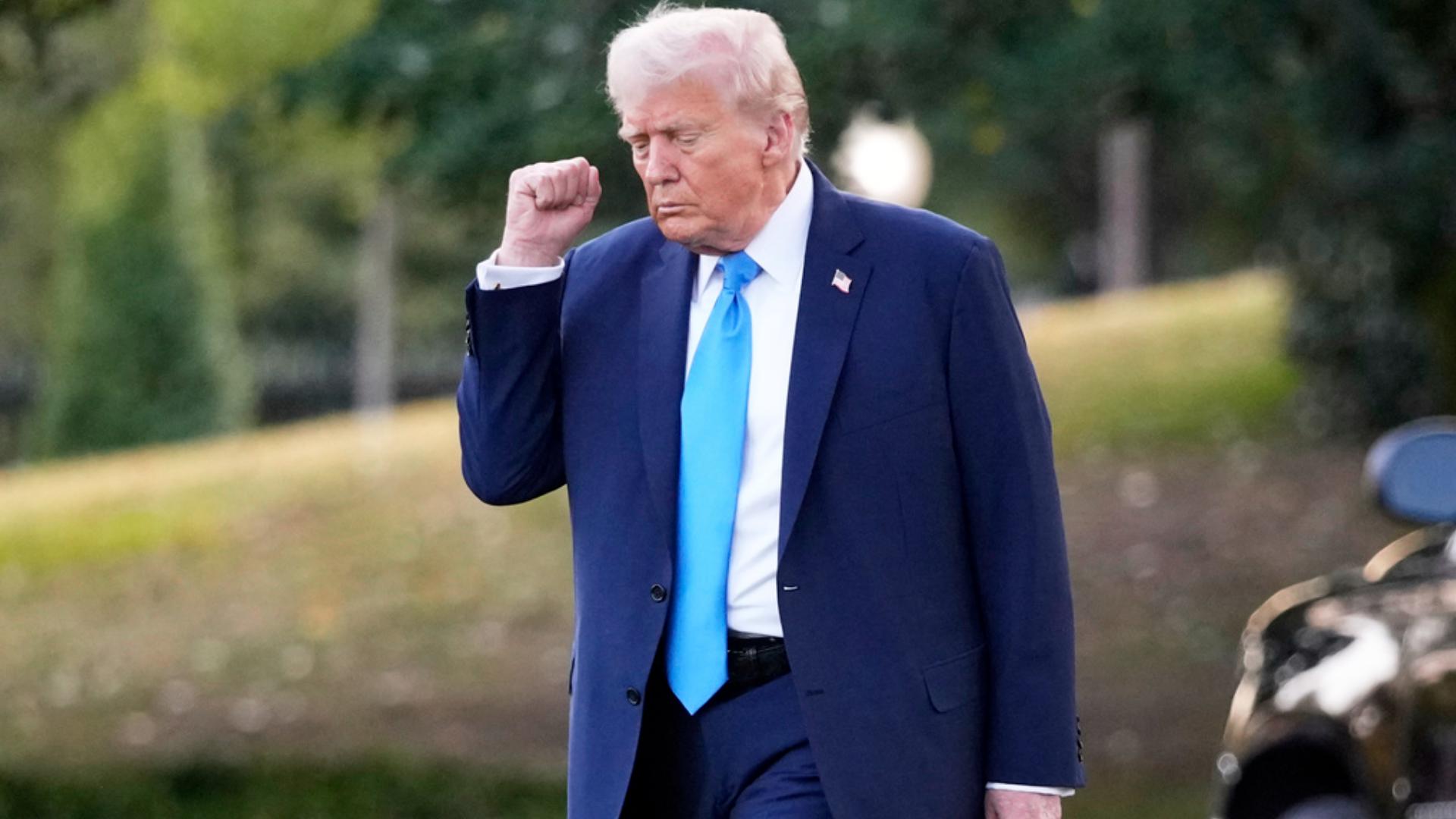
President Trump has said oil prices will fall quickly once the conflict ends. White House economic officials have also suggested the war would only have minimal long term effects on growth, although they acknowledge it can hurt consumers in the near term.
How voters and markets are reacting
Public opinion already tilted against the president on prices and inflation. A recent national poll showed Americans disapprove of his handling of those issues by a large margin, and a majority view the Iran conflict negatively.
Wall Street and global investors are picking up the same signals. A survey of fund managers found rising inflation expectations and an increased chance that Democrats will win both chambers of Congress. Investment managers who expected solid growth earlier this year are now more concerned that growth will be weaker.
Numbers and warnings
- Some asset managers have raised the probability of a U.S. recession in the next year to roughly one in four.
- Federal data showed a downward revision to fourth quarter GDP after weaker consumer spending and export activity.
- Wholesale prices jumped in February, and an advance estimate showed inflation adjusted retail sales falling that month.
Economists and central bankers sound cautious
Federal Reserve Chair Jerome Powell noted the economy has faced many shocks and avoided a slump, but he stressed inflation is still above the central bank's target. He warned that the recent oil shock will likely reduce spending and hiring while pushing some prices up. Powell emphasized uncertainty, saying the economic effects could end up smaller or larger than models suggest.
Other economists point out reasons for guarded optimism. The United States is a net energy exporter, which helps offset some of the hit from higher fuel costs. One policy analyst argued that oil now makes up a smaller share of total household and business budgets than in past energy shocks, which should blunt the overall impact.
Risk grows the longer the Strait stays closed
If the Strait of Hormuz remains closed, short term fixes like releasing reserves or providing insurance for tankers will not fully make up for the disruption to global supply chains. That could lift inflation and weigh on gross domestic product more sharply over time.
Putting it bluntly, a mix of weaker consumer spending, higher wholesale prices, and disrupted shipping routes creates an unpleasant combination for growth and inflation compared with the outlook at the start of the year.
Policy makers and markets are watching closely. For the administration, the challenge is twofold: limit the economic fallout and convince voters they are managing the situation. That is easier said than done while oil prices remain volatile and geopolitical risks persist.