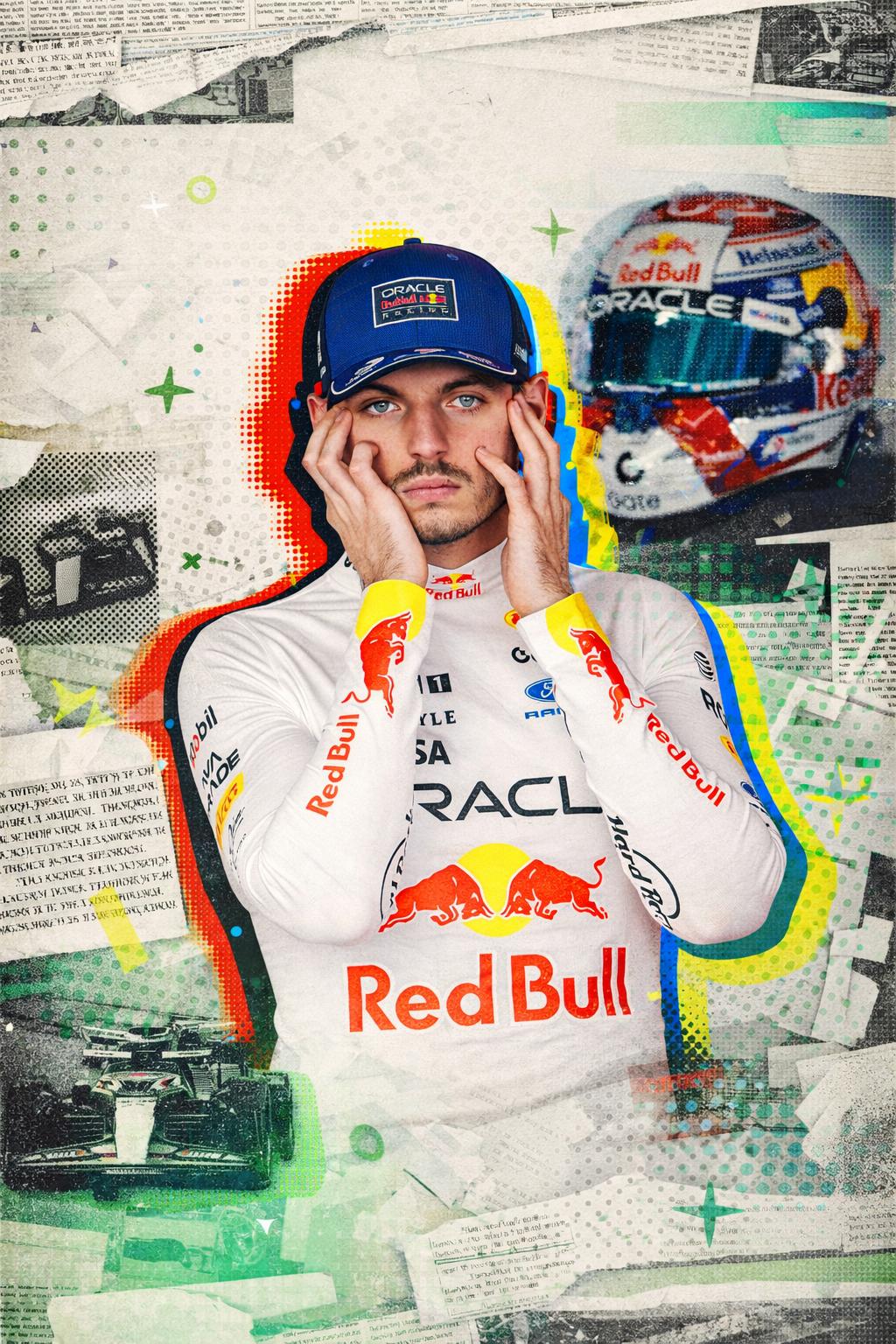
Red Bull’s two-faced problem
Red Bull is working through a set of important improvements for the RB22, but there is a catch. According to RacingNews365 technical analyst Paolo Filisetti, the team appears likely to miss out on a significant Formula 1 development opportunity, even as it tries to fix a car that has been far less cooperative than the people in Milton Keynes would probably prefer.
At the moment, the RB22 looks like two different machines stitched together. On one side, the RBPT-Ford power unit has been better and more reliable than many expected. On the other, the chassis has not yet delivered the level needed to fight the front-running pack on equal terms.
So the issue does not seem to be raw engine performance. The bigger headache lies with the car itself, especially in the areas of vehicle dynamics and aerodynamics.
Why Red Bull may miss out on extra development help
Paddock sources suggest RBPT may not qualify for Additional Development and Upgrade Opportunities, or ADUO. The reason is simple enough, if hardly convenient: its performance gap to the Mercedes power unit is thought to be under 2 per cent.
That matters because Ferrari, Honda and Audi are believed to sit in a different category and may be able to benefit from extra budget or development freedom to close the gap. RBPT, by contrast, may not get that same helping hand. Formula 1 does enjoy its rules, and it certainly enjoys making them complicated.
What is going wrong with the RB22?
Across the opening three races, and especially in Japan, the RB22 has shown clear instability between the front and rear axles. The car has suffered from pronounced understeer on corner entry, then major oversteer on exit.
Japan also exposed sudden snaps of instability, which forced the drivers into sharp corrective inputs. That is rarely the sign of a happy race car.
Fixing that sort of behaviour quickly is not straightforward. With only a short break in the calendar, Red Bull is unlikely to make major mechanical changes. The more realistic approach is a detailed examination of how the car responds to different set-up choices.
A full suspension-geometry rethink, for example, looks unrealistic given the time available. What is more achievable, and urgently needed, is a better match between the aerodynamic platform and the mechanical behaviour of the car.
In practical terms, the RB22 needs a more stable aerodynamic balance, with a cleaner operating window and a more consistent downforce distribution.
The suspension also has to work better with those aerodynamic characteristics, so the car transfers load more smoothly and stops reacting so sharply to changes in direction or grip. The goal is a more predictable balance and less of the twitchy, overly sharp feel that has caused problems so far.
The weight issue could be even more important
There is, however, another factor that may be shaping the RB22’s behaviour even more decisively: weight.
According to several estimates, the car is significantly overweight, with RacingNews365 understanding the figure could be as much as 10kg. That obviously hurts performance, but it also limits the ideal weight distribution.
Because of that, Red Bull made weight reduction an immediate priority after pre-season testing in Bahrain.
It now seems highly likely that by the Miami Grand Prix the team will introduce revised components that look almost identical to the current parts but have been re-engineered to be lighter. Same appearance, less mass, more hope. A classic engineering victory.
Those changes should help in several areas, including energy management. A lighter car improves overall efficiency, which helps both the recovery and deployment phases of the hybrid system.
Red Bull’s short-term target
Red Bull’s priorities are clear enough:
- improve the aerodynamic balance
- reduce weight
- better integrate vehicle dynamics with aerodynamic performance
The team will try to tackle those problems in parallel before Miami, but time is limited. That means choosing the right order of operations will matter almost as much as the upgrades themselves. With this many linked issues, the margin for error is not exactly generous.