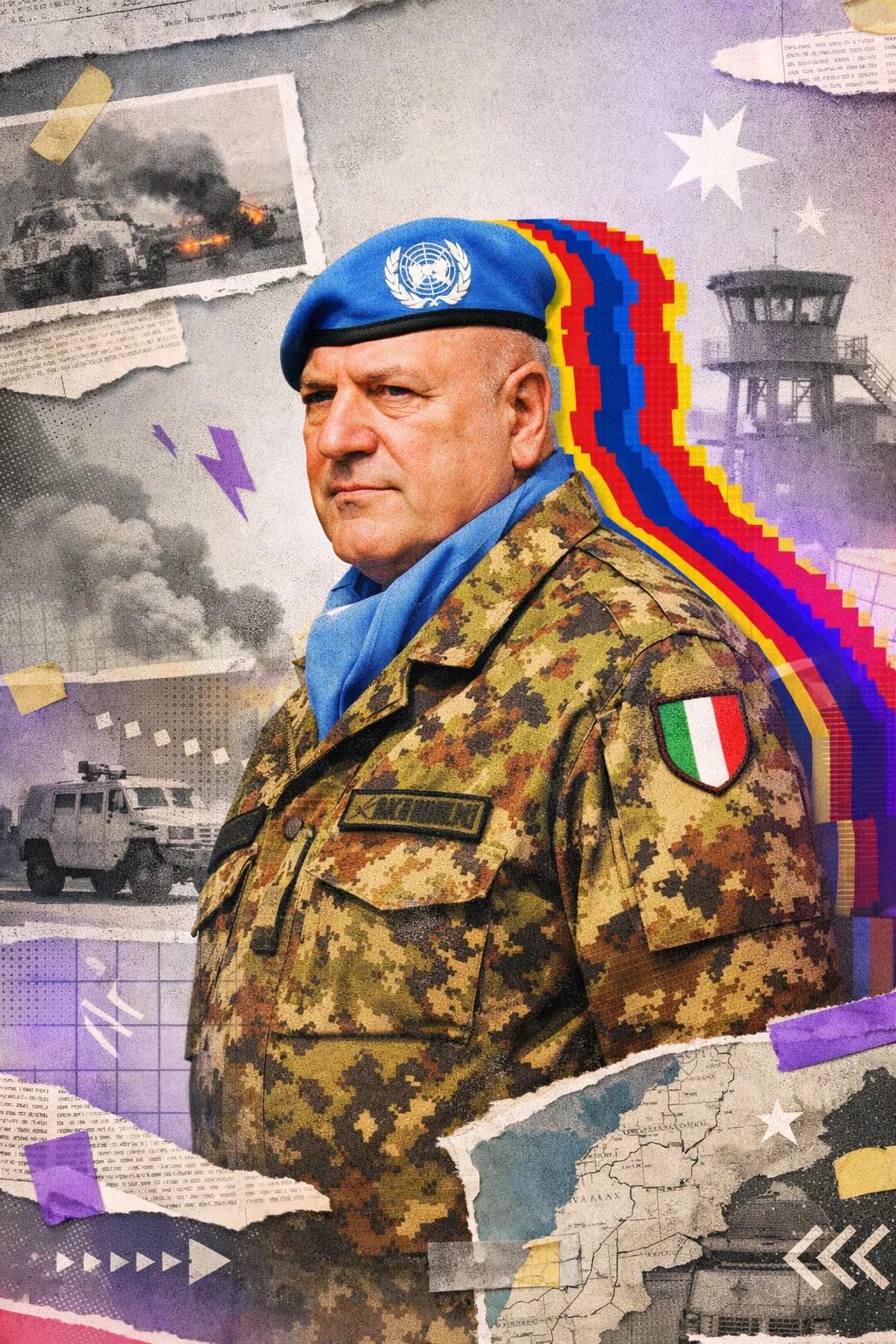
Italy says no to a U.S. request at Sigonella
Italy has denied the United States access to the Sigonella air base for a planned stopover involving military aircraft heading toward the Middle East. The episode took place a few days ago and was first reported by Corriere, with confirmation from informed sources.
According to those sources, Defense Minister Guido Crosetto refused the request after learning the flight plan for several U.S. air assets. The aircraft were expected to land at Sigonella and then continue on to the Middle East. The problem was not subtle: no one had asked for authorization in advance, and Italian military leaders had not been consulted.
The plan was reportedly communicated only after the aircraft were already in flight. Checks then showed that these were not ordinary transport or logistics flights, which means they are not covered by the treaty arrangements Italy has with the United States.
Bombers, not routine flights
The U.S. request that was turned down involved the landing of bombers, according to informed sources. Because that type of movement is not foreseen under the treaty framework, Crosetto denied permission.
As had already been anticipated, any authorization of this kind would have required a different process, including passage through Parliament. In other words, the timetable matters, which is inconvenient for anyone hoping paperwork could be treated as an afterthought.
Crosetto addressed the issue on X, arguing that international agreements clearly separate what needs specific government authorization, and for which Parliament has been involved by decision, from what is technically permitted because it is already included in the agreements.
"International agreements clearly regulate and distinguish what requires specific government authorization, for which it has been decided to always involve Parliament, without which nothing can be granted, and what instead is considered technically authorized because it is included in the agreements. A minister only has to enforce them. Terzium non datur."
He also rejected the idea that Italy had suspended U.S. use of its bases.
"Someone is trying to make it seem that Italy has decided to suspend the use of bases to U.S. assets. That is simply false, because the bases are active, in use, and nothing has changed."
Crosetto said the government is continuing along the same lines as previous Italian governments, fully in line with commitments made in Parliament and with the stance reaffirmed in the Supreme Defence Council, in continuity with earlier councils over the decades.
He added that there is "no cooling or tension" with the United States, because both sides know the rules governing the American presence in Italy, which have been in place since 1954.
Palazzo Chigi says relations remain solid
The Prime Minister's office, Palazzo Chigi, also stepped in to calm the waters, just in case anyone was considering a diplomatic drama.
"There are no critical issues or frictions with international partners. Relations with the United States, in particular, are solid and marked by full and loyal cooperation," Palazzo Chigi said in a statement referring to press reports on the use of military bases.
It added that the government will continue to operate within the framework of the treaties in force, respecting the will of the government and Parliament while ensuring international reliability and the protection of the national interest.
M5S asks for more details
The opposition M5S was not satisfied with the explanation. Alessandra Maiorino and Arnaldo Lomuti, the party's group leaders on the Defence committees, said their movement had been the first to denounce Sigonella's involvement in U.S. war operations.
They noted that the Air Force had later issued an official denial, which they said they took note of, but which they do not see as matching the evidence they had reported.
For that reason, they asked the Defence Ministry for further clarification and pressed Crosetto to explain exactly what happened on Friday night, whether the United States had really made no authorization request, and which aircraft were involved.
So the matter is now a familiar mix of military procedure, diplomatic reassurance, and political demands for clarity. A classic evening in the business of bases, treaties and explanations nobody seems eager to give in full.