The latest buyout in a very old habit
It is one of the oldest instincts in business and politics: if you do not like how the world talks about you, you can try to own the microphone.
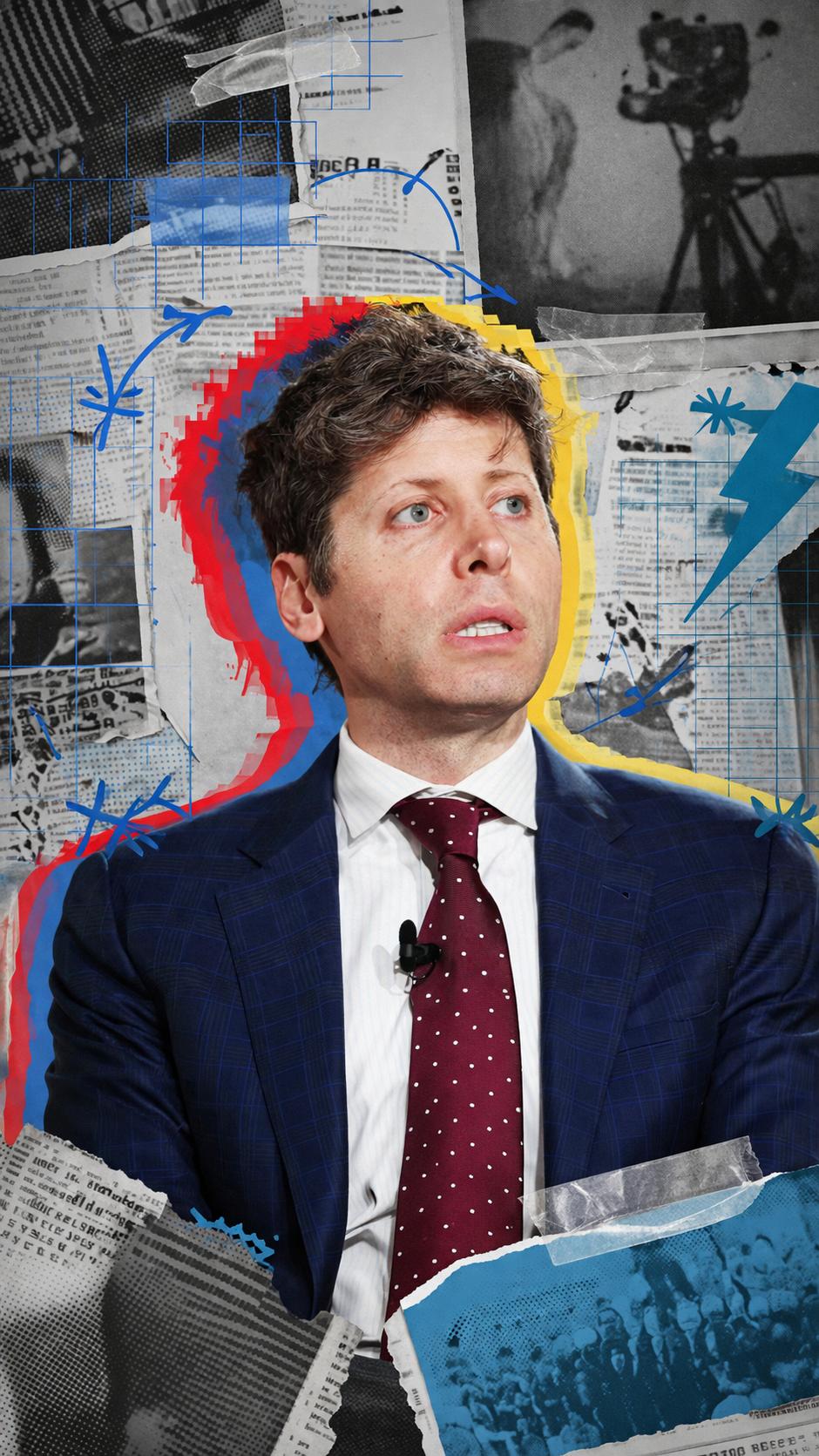
That instinct is back in fashion. On Thursday, OpenAI bought TBPN, the tech talk show that streams live on YouTube, X, and other platforms. The company did not exactly hide the motivation. CEO Sam Altman wrote on X that “TBPN is my favorite tech show. We want them to keep that going and for them to do what they do so well.” He added, “I don’t expect them to go any easier on us, am sure I’ll do my part to help enable that with occasional stupid decisions.”
OpenAI’s applications CEO Fidji Simo told employees that TBPN founders Jordi Hays and John Coogan will advise the company on communications and marketing. In her note, she said, “With the mission of bringing AGI to the world comes a responsibility to help create a space for a real, constructive conversation about the changes AI creates, with builders and people using the technology at the center.”
In other words: the company thinks the conversation about OpenAI needs some help, and apparently buying a show is one way to provide it.
The rich are feeling nostalgic for media ownership again
OpenAI is hardly alone. The biggest names in business are once again treating media like a strategic asset, a reputation shield, or perhaps a toy with excellent branding.
Larry Ellison, the Oracle founder, is backing his son David Ellison’s $111 billion effort to buy CNN owner Warner Bros. Discovery. That comes after he backed a separate purchase of CBS News owner Paramount last year. David Ellison has also been linked to a nine-figure move involving Bari Weiss and her outlet The Free Press, which would be folded into CBS as part of a broader attempt to reshape the network.
Then there is Jamie Dimon, the JPMorgan Chase chief executive, who told Axios this week that he wants to start a media business. He said weak coverage of important issues contributes to poor policy. “I think media is critical. Media teaches everybody. Media’s the great influencer,” he said.
The club also includes Elon Musk, who spends plenty of time criticizing mainstream outlets while urging his followers to “share X links” instead of relying on them. President Trump, naturally, has turned attacking the press into a near-daily routine, while also remaining one of the most accessible public figures to that same press. The arrangement is very on brand for everyone involved.
Buying media is not new. Running it is the hard part.
Large corporations have been buying media for decades. Coca-Cola once owned Columbia Pictures. Gulf + Western owned Paramount. General Electric ran NBC and Universal for years. Today, Comcast owns NBCUniversal, Sony owns Columbia, and Amazon owns MGM.
Tech billionaires have joined in too. Jeff Bezos paid $250 million for The Washington Post. Dr. Patrick Soon-Shiong bought the Los Angeles Times. Salesforce CEO Marc Benioff acquired Time. In the 1990s, Microsoft, then led by Bill Gates, teamed up with NBC to launch MSNBC in an early attempt to build a tech-friendly TV presence.
The appeal is easy to understand. Media is influential. It is public-facing. It can shape how people talk about almost anything. It is also, for owners, a way to buy reach without having to build it from scratch.
But ownership is the easy part. Actually running a newsroom, or even pretending to understand one, is another matter entirely.
Bezos cut jobs after chasing growth that did not work out. Soon-Shiong has done the same. Benioff seems more interested in AI agents than in magazine publishing at the moment. Chris Hughes, the Facebook co-founder, bought The New Republic with ambitious ideas and quickly learned that journalists are not always eager to cooperate with their new landlord’s vision.
The new theory: skip the press altogether
One argument gaining traction in Silicon Valley is that executives should stop talking to journalists and go straight to the public through podcasts, social media, and other direct channels.
Investor and All In podcast co-host Jason Calacanis posted last week: “Founders: take my advice … do not talk to the press, go direct and do long-form podcasts. Wired and the NYT are as biased as Fox News and MSNOW these days This is a function of their need to pander to one side to survive, be it through $3-a-month subs or rage-baiting ad-based stories.”
That view has found plenty of fans among executives who would rather not answer follow-up questions. But the problem is that traditional media still does something podcasts and executive feeds do not: it aggregates attention. Most people are not spending their day tracking every company founder’s preferred interview format.
And as any CEO who has tried both can tell you, building a media brand takes time. Buying one is faster. It is also, very often, more expensive than it first appears.
Netflix and Paramount both chased Warner Bros. because owning decades of intellectual property, audience recognition, and institutional credibility is a rare thing. You cannot print it on demand.
The audience still has the final say
TBPN shows that new media influence can be built quickly, and that the old prestige machinery is no longer required in the same way it once was. But even there, OpenAI did not create it from nothing. It bought it.
That is the recurring theme. Powerful people keep trying to shape the media that covers them, whether by purchasing legacy institutions or backing newer outlets that feel more pliable. History suggests the strategy often works for a while, right up until the bills come due and the audience decides it likes other things better.
For all the money, status, and boardroom confidence involved, the final power in media still belongs to the people consuming it. Owners can try to steer the ship. The public gets to decide whether it keeps floating.