The reboot that actually changed things
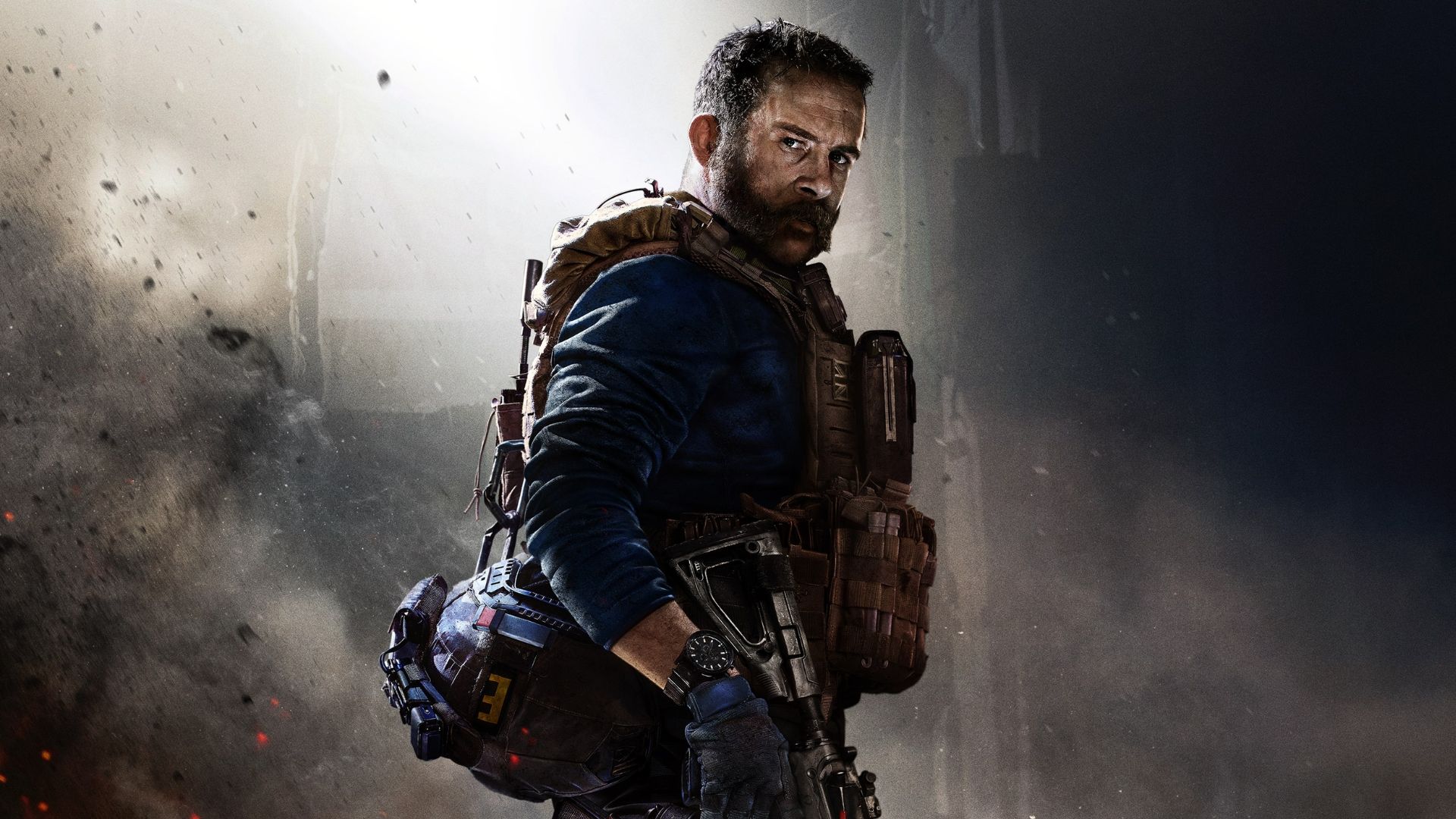
When Call of Duty: Modern Warfare 2019 showed up again in the conversation thanks to an unusually aggressive $6 Steam discount, the reaction was pretty easy to understand. Infinity Ward’s reboot was a genuine hit in its day. It helped pull Call of Duty out of the mid-2010s rut, and a lot of the games that followed spent years borrowing from its progression and class systems.
What still jumps out now is how confidently it presents itself. The atmosphere is the first thing that lands. The cracked pavement, the way light catches on tree leaves, the dense texture work on worn-down buildings, all of it still looks absurdly good for an Xbox One-era shooter. Whatever Infinity Ward was cooking there, it worked.
Sound is another area where Modern Warfare still has a clear edge. Assault rifles crack open like small explosions, then snap shut with metallic cycling. Even the launch-era revolver sounds more forceful than its equivalent in BO7. Guns are mixed so loudly they can bury the announcer, or cut off the guitar riff that plays when you level up. I also got an immediate reminder of that while a teammate fired a Kar-98 from behind me, which caused a very undignified flinch in my chair.
This was Call of Duty leaning hard back into grounded realism after years of wallrunning and jetpacks. Infinity Ward managed to pull off the immersive feel of a milsim inside a shooter that still moves like an arcade game. It remains effective. And it is worth saying that the more recent Treyarch, Sledgehammer, and Raven entries do not quite look or sound like this, even when they are clearly reaching for the same vibe.
When people say Infinity Ward makes the better-built Call of Duty games, this is the sort of thing they mean. Modern Warfare hit the major checkpoints: strong gunplay, memorable maps, progression that sticks, and a campaign that is mostly solid, Highway of Death mission and all.
A class system that actually asks for choices
Playing it again over the last few nights also made me appreciate how restrained the Create-a-Class system is. You get the basics: three perks, grenades, and two weapons with five attachments each. Compared with the Swiss-army setups you can build in BO7, it feels limited. That is part of the appeal.
When there are fewer places to tinker, you are pushed to work with a weapon’s strengths and weaknesses instead of turning everything into the same over-tuned monster.
That pattern shows up in competitive shooters all the time, especially in Call of Duty. If players can build a gun that has low recoil, high velocity, and faster fire rate, they usually will. That makes the “best” setup obvious, which also makes it the setup everybody uses. Modern Warfare’s attachment system is designed so that boosting those strengths usually comes with tradeoffs elsewhere, like movement speed or aim-down-sight time.
Treyarch and Sledgehammer have loosened those rules in recent years, giving guns up to 10 attachment slots and mostly removing the penalties that used to keep the laserbeam builds in check. The result, at least in Black Ops, is that most weapons start to feel very similar. Modern Warfare is not perfect here either, but its launch weapons at least feel distinct. The M4A1 is a good example, with balanced damage and range offset by a jittery visual recoil pattern.
Before Call of Duty became a crossover catalog
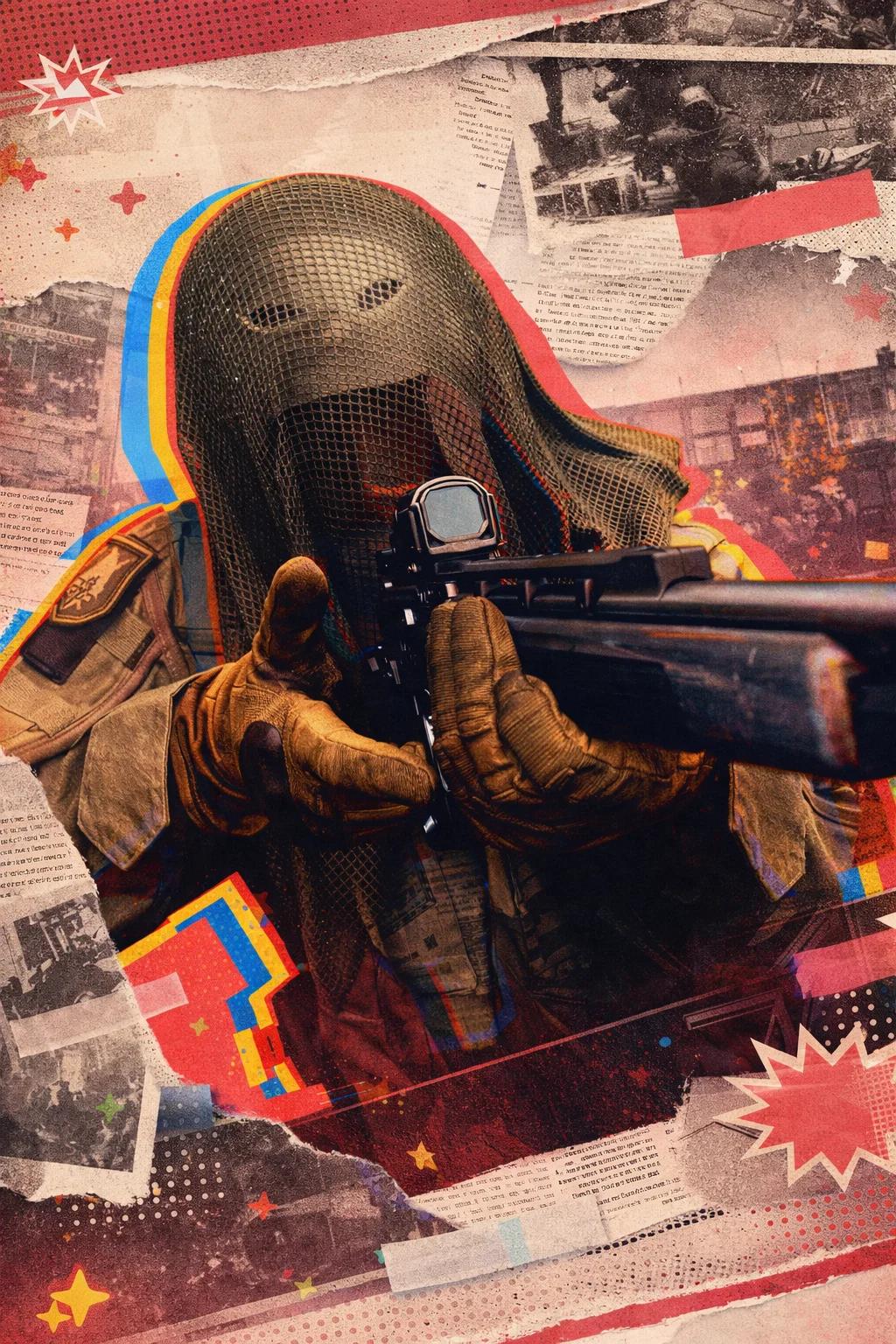
It is also refreshing to revisit a version of Call of Duty from before the series turned into a parade of terrible skins. Modern Warfare still mostly looks like Modern Warfare, which may make it the last Call of Duty we can say that about with a straight face.
Modern Warfare 3 and Black Ops 6 have both been dragged through crossover mud from collaborations like Nicki Minaj, American Dad, TMNT, and The Boys. Even after Activision tried to signal that Black Ops 7 would tone down the tacky nonsense, recent collaborations like Fallout and Dave Chappelle suggest that promise did not survive contact with reality. Yikes is putting it mildly.
That is the strange irony here. MW2019 is both the last truly great Call of Duty and the game that helped launch the era that made the series worse. A few months after release, Warzone arrived in 2020. A year later, the reboot was effectively absorbed into the battle royale giant Infinity Ward had helped create, then handed off to Raven with a kind of corporate shrug.
We are still living with the consequences. Premium Call of Duty multiplayer remains tied to Warzone through shared weapons, classes, and roadmaps, and that arrangement regularly ends up hurting both games. The clearest example is the modern Call of Duty launcher, which is less a launcher than a slow layer of annoyance designed to make basic access feel like a minor chore.
The only small mercy is that MW2019 was eventually separated from Warzone and restored as its own standalone product. Even so, you still have to pick it from a smaller launcher that also lists Modern Warfare 2 (2022), whether you own that game or not and whether you want to think about it or not.
Still worth the hassle
That the game is still worth jumping through that extra hoop says a lot. Seven years later, this is still the Call of Duty to beat. In retrospect, it may even be better than the sequel I scored higher at the time.
The discount probably aimed to stir up exactly that kind of nostalgia and renewed interest. With 2026 ahead, Infinity Ward has another chance to drag the series it built back to the front of the pack. Whether it can do that without the rest of the machinery piling on is another question entirely.