A symbolic stop in Nanjing
Taiwan’s main opposition leader has used a rare trip to China to call for dialogue with Beijing, leaning on the legacy of revolutionary icon Sun Yat-sen at a time when cross-strait relations remain tense enough to make even ceremonial gestures feel political.
Cheng Li-wun, chairwoman of the Kuomintang, or KMT, laid a wreath at Sun’s mausoleum in Nanjing on Wednesday. The visit carried plenty of historical weight, which is often what people reach for when direct politics have become inconvenient.
Nanjing was once the capital of the Republic of China before the KMT fled to Taiwan in 1949 after losing the civil war to Mao Zedong’s communists.
Calls for reconciliation
In remarks broadcast live on Taiwanese television, Cheng cited Sun Yat-sen’s vision of a world where “all under heaven are equal.” She said that idea had long stood for equality, inclusiveness and unity.
“We should work together to promote reconciliation and unity across the [Taiwan] Strait and create regional prosperity and peace,” she said.
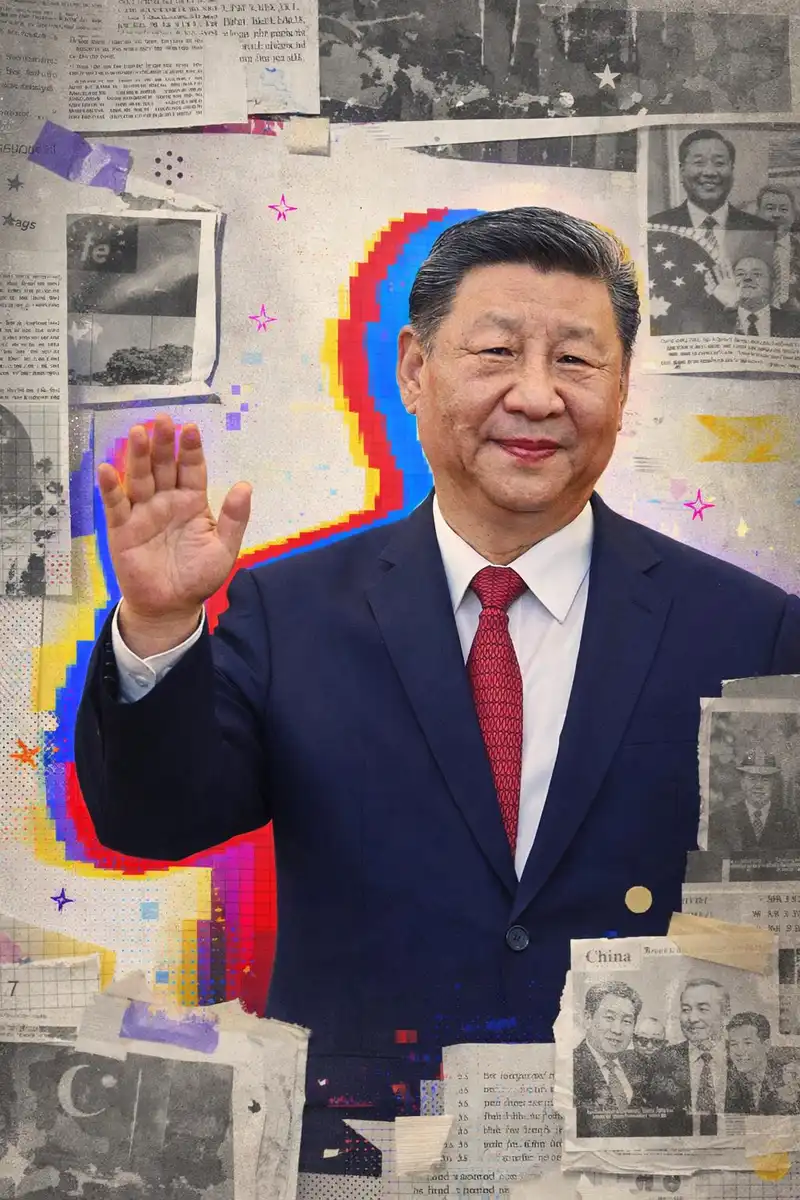
Cheng is the first KMT leader to visit China in a decade, and she has said she hopes to meet Chinese leader Xi Jinping during the trip.
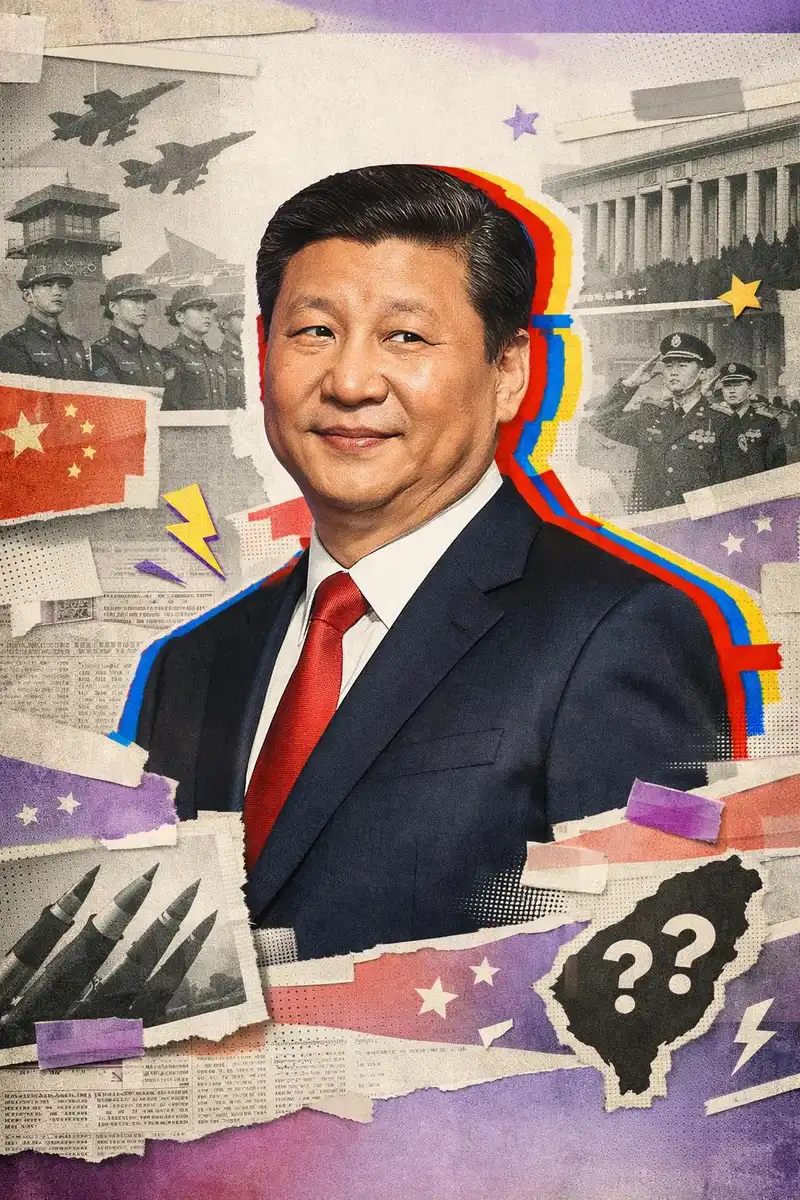
Her visit comes as relations between Taipei and Beijing remain strained. China continues to claim sovereignty over Taiwan and refuses to engage with President William Lai Ching-te, whom it labels a “separatist.”
Politics, security and uncertainty
The trip also lands at a time when many Taiwanese are looking at wars in Ukraine, Gaza and Iran and asking an uncomfortable question: if a crisis came to the Taiwan Strait, would the United States, Taiwan’s unofficial security guarantor, really step in?
That uncertainty gives any talk of reconciliation a ready-made audience, said Wen-ti Sung, a nonresident fellow at the Atlantic Council’s Global China Hub.
“If Chairperson Cheng can have cordial photo ops with Xi Jinping, the KMT can use that to argue dialogue is more effective than deterrence,” he told Al Jazeera.
Cheng presented the trip as an effort to ease tensions, even as Taiwan’s opposition-controlled parliament has blocked a proposed $40 billion increase in defence spending.
She also acknowledged Taiwan’s democratic transformation and the trauma of decades of martial law known as the White Terror. At the same time, she offered praise for China’s own progress.
“Likewise, on the mainland, we have also seen and witnessed progress and development that exceeded everyone’s expectations and imagination,” she said.
Reaction in Taiwan
The governing Democratic Progressive Party quickly criticised the trip, accusing the KMT of weakening national security. Party spokesperson Wu Cheng said that if the opposition truly wanted stability, it should stop obstructing defence spending.
The broader problem remains unchanged: Beijing and Taipei do not formally recognise each other’s governments, which makes any dialogue fragile, political and very easy to weaponise back home.