Formula 1’s season introduced a set of rule changes focused on more electrification in the power unit. The changes have had drivers talking, and not always kindly.
What the drivers actually said
Max Verstappen was blunt from early testing in Bahrain and repeated his frustration during the Chinese Grand Prix weekend, calling the situation "Mario Kart" and saying the sport was "a joke."
Lando Norris added his own criticism, arguing that current drivers have had to forget much of what they learned in junior single-seater racing. He suggested the new format is probably not what most of them imagined when they dreamed of racing in F1.
Why the criticism landed
Many drivers have raised practical worries about the new cars. Their main concern is the level of systems management now required, not just over a full grand prix but even during a single qualifying lap. The argument is that the driving task now includes a heavy layer of technical oversight, which changes the character of the sport.
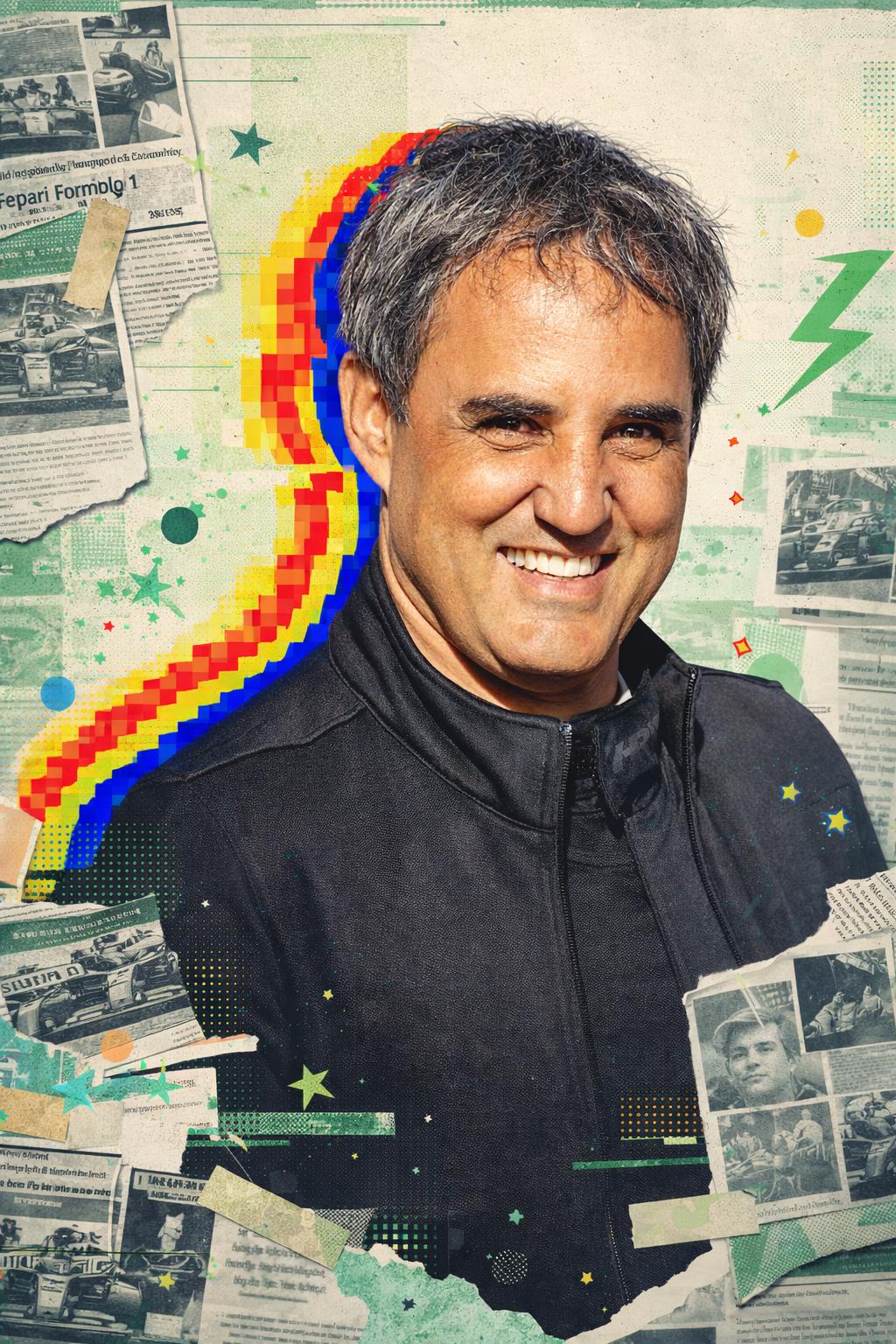
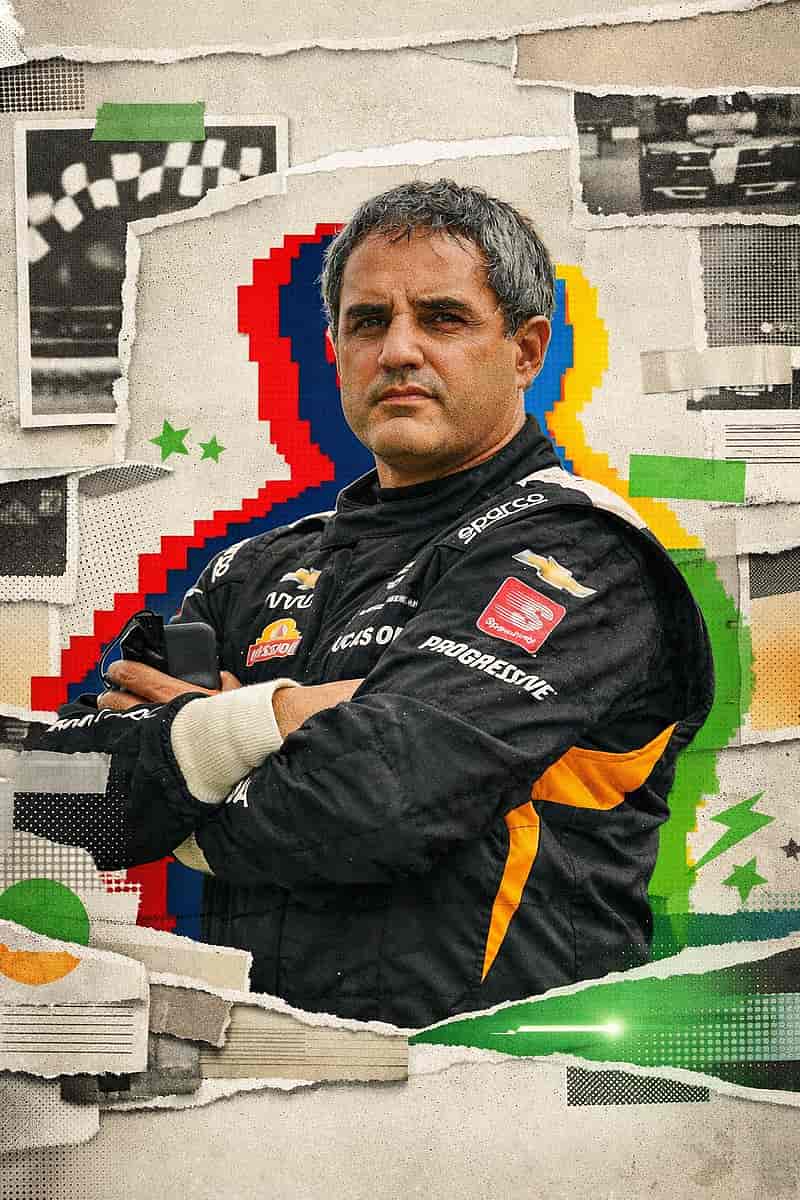
Juan Pablo Montoya’s response
Seven-time grand prix winner Juan Pablo Montoya did not hold back. He told a Colombian outlet that Verstappen and Norris had shown disrespect and that Formula 1 should respond firmly.
Montoya suggested F1 borrow a policy common in some US sports: if someone publicly disrespects the sport, they should face real consequences. He said, "At some point, Formula 1 needs to do what the sports world in the United States does: for people who don’t respect the sport, there’s the door. They can leave or get a fine, so they truly learn to respect what they’re doing. That’s what I would do."
He did acknowledge that drivers can have opinions, but drew the line at mockery. "I’m not saying they have to like it, but mocking Formula 1 and comparing it to Mario Kart, that shouldn’t be accepted by Formula 1," he added.
What this means going forward
- The rule changes have sparked genuine debate about the direction of F1 and what skills the sport should reward.
- Some drivers are frustrated enough to speak out publicly, and those comments can create tension with teams, organizers, and fans.
- Montoya’s stance is that strong public criticism can cross into disrespect and that governing bodies should consider penalties if they want to enforce a standard of conduct.
In short, the conversation is no longer just technical. It’s also about tone, respect, and how outspoken drivers are allowed to be about the sport that pays them and thrills millions of fans.