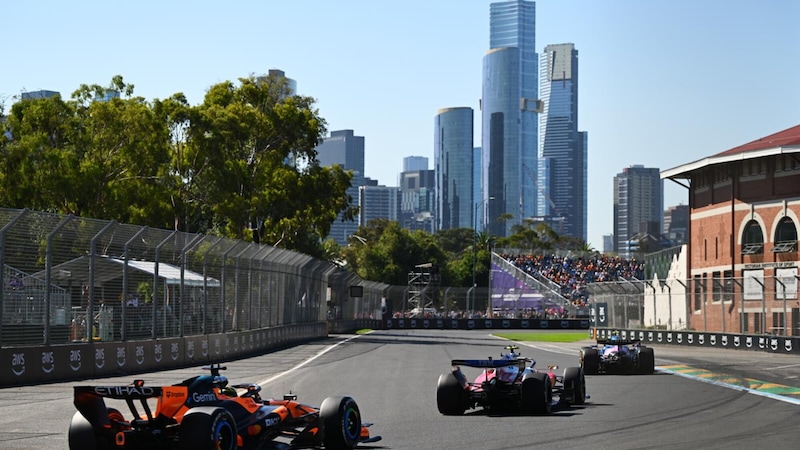
As the 2026 Formula 1 season kicks off with the Australian Grand Prix, Aston Martin F1 is grappling with a critical reliability issue that could severely impact its performance and driver safety. The team's new challenger, the AMR26, has been plagued by vibrations from the power unit, leading to significant operational constraints and health concerns for its drivers.
The Core Problem: Power Unit Vibrations
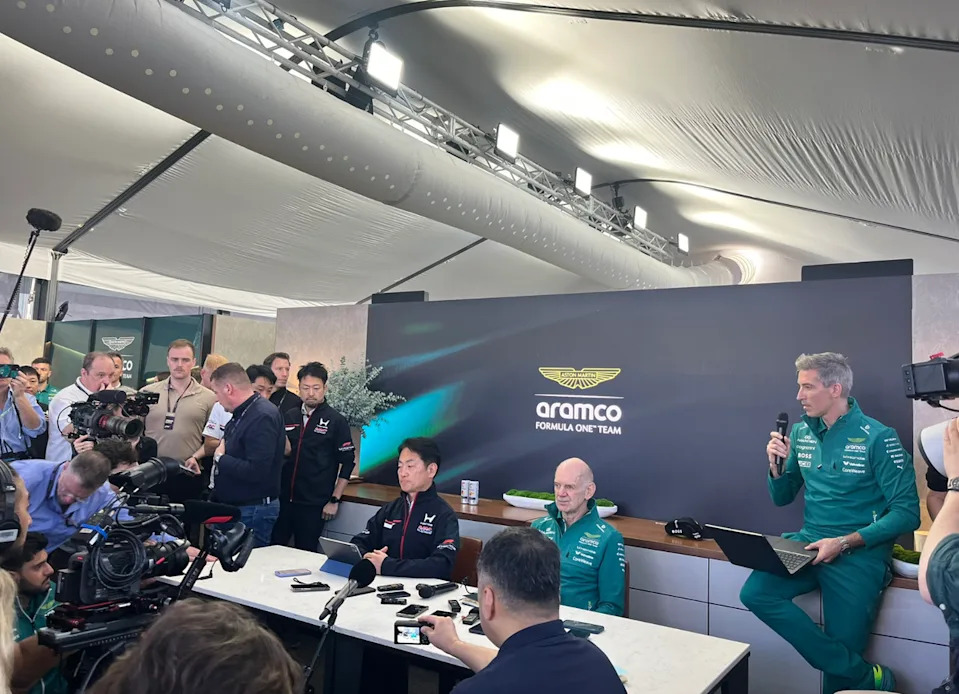
During pre-season testing in Bahrain, Aston Martin completed the fewest laps of any team, primarily due to battery-related reliability issues. Team principal Adrian Newey, speaking alongside Honda Racing President Koji Watanabe, revealed that vibrations from the power unit are causing physical damage to the car's chassis. This has resulted in components like mirrors and tail lights falling off, forcing the team to implement immediate countermeasures.
Watanabe stated that based on dyno testing, Aston Martin will introduce solutions this week in Melbourne, though their effectiveness under real track conditions remains uncertain. Newey emphasized that the power unit acts as an amplifier for these vibrations, with the chassis serving as the receiver, creating a challenging engineering puzzle to solve.
Driver Safety Takes Center Stage
Beyond mechanical damage, the vibrations pose a serious risk to drivers Fernando Alonso and Lance Stroll. Newey disclosed that Alonso believes he cannot complete more than 25 consecutive laps without risking permanent nerve damage to his hands, while Stroll's limit is even lower at 15 laps. This has forced the team to consider strict lap restrictions during the race weekend, a move that could drastically affect their competitive strategy.
The team's honesty about these limitations reflects a pragmatic approach to balancing performance with driver welfare, though it places them at a significant disadvantage against rivals who aren't facing such constraints.
Chassis Development and Season Outlook
Despite these challenges, Aston Martin remains optimistic about the AMR26's potential. Newey noted that the team faced a condensed development period, with wind tunnel testing not beginning until mid-April—later than competitors. However, he believes the car has a solid architectural foundation with strong development prospects.
Currently, Newey estimates Aston Martin as potentially the fifth-best team on the grid, capable of qualifying in Q3 but needing several races to unlock its full potential. The team has an aggressive development plan in place, aiming to compete at the front later in the season once vibration issues are resolved.
Practical Implications for the Australian Grand Prix
Aston Martin will use the three practice sessions in Melbourne to test their countermeasures and assess the vibration reduction. If unsuccessful, the team may need to implement strict lap limits during qualifying and the race, potentially forcing strategic compromises like earlier pit stops or conservative driving to protect the car and drivers.
This situation highlights the high-stakes tradeoffs in F1 between pushing for performance and ensuring reliability and safety. For fans, it means watching a team navigate unprecedented constraints while trying to remain competitive in a sport where every lap counts.
The Australian Grand Prix will serve as a critical test of Aston Martin's ability to manage this crisis under race conditions, setting the tone for their 2026 campaign.