Forget the usual pre-season hype. The story coming out of the Aston Martin Honda garage ahead of the Australian Grand Prix isn't about lap times or aerodynamic breakthroughs. It's about a car that, according to its own technical leadership, can't safely complete a race distance. The AMR26, a car born from a massive investment and high expectations, is currently being held back by a fundamental and alarming issue: debilitating vibrations.
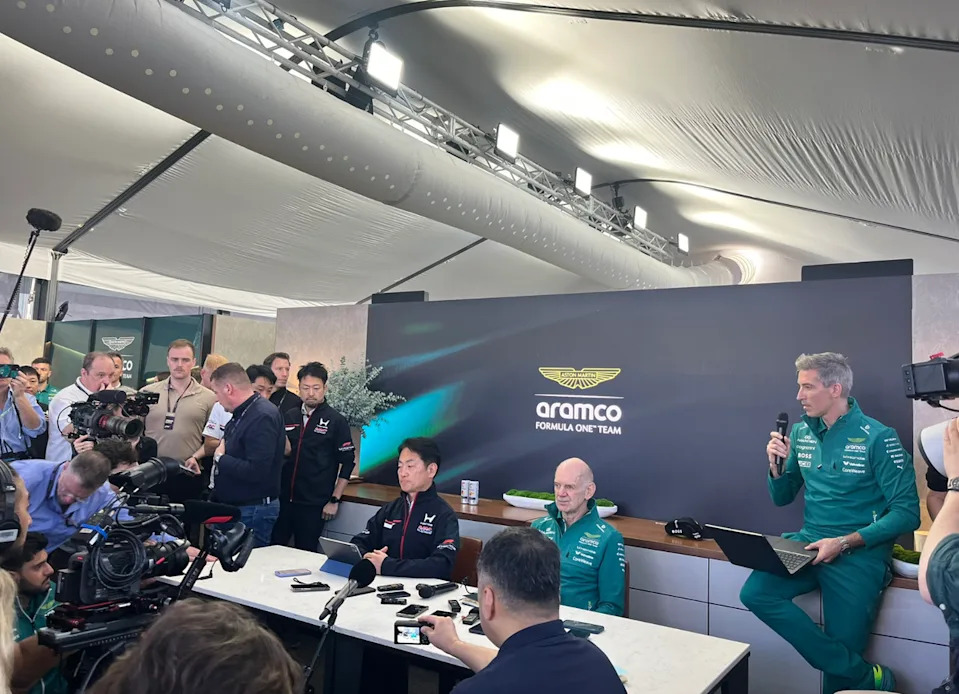
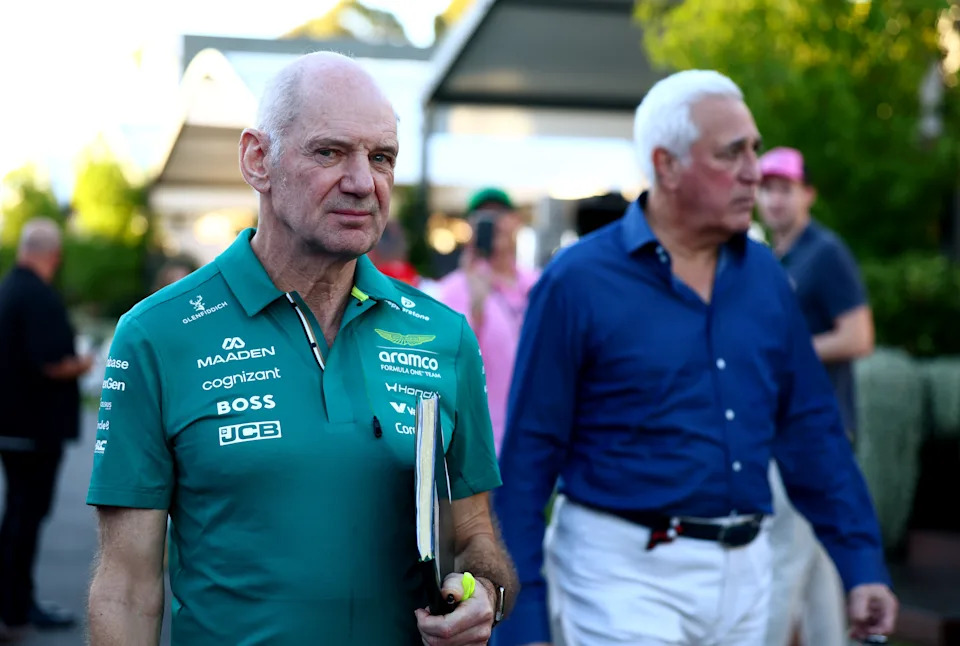
Chief Technical Officer Adrian Newey laid out the stark reality in Melbourne. The vibrations transmitted from the power unit to the chassis are so severe that they are damaging critical components and, more worryingly, posing a risk to the drivers themselves. "We will have to limit the number of laps we can do in the race until we have found the cause of these vibrations and fixed them," Newey stated. With the Australian GP consisting of 58 laps, this admission is a stunning pre-race concession.
A Technical Crisis with Human Consequences
The core of the problem, as identified by the team, originates with the Honda power unit. The vibrations are amplified through the chassis, causing a cascade of reliability failures. Newey detailed issues like side mirrors and rear lights shaking loose. However, the most critical point of failure is the car's battery, which is being damaged by the intense shaking.
But the technical failures pale in comparison to the human impact. Newey revealed the vibrations are being transferred directly to the drivers' hands through the steering wheel. Fernando Alonso reportedly feels he cannot do more than 25 consecutive laps without risking permanent nerve damage to his hands. His teammate, Lance Stroll, believes his limit is even lower, at around 15 laps. This isn't just a performance issue; it's a safety and health concern that fundamentally limits the car's operability.
A Race Against Time and Reputation
The timing of this crisis couldn't be worse. With the Chinese Grand Prix looming next week, there is a real possibility the team will face the same crippling limitations in Shanghai. Honda's top brass, represented by HRC boss Koji Watanabe, acknowledged the gravity of the situation. "Of course, I would like to be quick, but at the moment it is rather difficult to say when and how long it will take," Watanabe admitted regarding a fix.
Honda has begun implementing countermeasures based on dyno testing, but Watanabe was careful to manage expectations, noting they cannot yet fully guarantee their effectiveness in real track conditions. This leaves Aston Martin in a precarious position: a cutting-edge chassis design, which Newey believes has the potential to be the fifth fastest on the grid, is being hamstrung by a power unit problem it cannot immediately solve.
The Broader Cultural Impact: When Hype Meets Reality
This situation is a fascinating case study in modern Formula 1's high-stakes, high-pressure environment. A major manufacturer partnership, announced with fanfare and promises of a new competitive era, is facing its first major public test not on the stopwatch, but in the workshop. The narrative has instantly shifted from potential podium finishes to basic reliability and driver welfare.
For fans, it's a reminder of the fragile balance in F1's technical arms race. A single, unresolved vibration issue can derail an entire campaign's narrative before it even properly begins. The community reaction has been a mix of sympathy for the drivers and engineers, and sharp criticism over a flagship project appearing so fundamentally unprepared. It echoes past eras where promising partnerships stumbled out of the gate, creating an underdog story nobody expected—but for all the wrong reasons.
As the team heads into the Australian weekend knowing a finish is unlikely, all eyes will be on how they manage the crisis. How many laps will they attempt? How will the drivers cope? And perhaps most importantly, how quickly can the combined might of Aston Martin and Honda diagnose and cure a problem that is currently shaking their season apart?