A tour built around energy and diplomacy
Giorgia Meloni finished a complicated two-day trip across the Arabian Peninsula that mixed diplomacy with a very practical goal: tightening bilateral ties with Gulf states at a time when gas and fuel supplies matter more than the usual ceremonial smiles and handshakes.
The main objective was clear. Italy, like the rest of Europe, needs reliable energy flows to keep the system running. That has made the security of supply a top concern, and the reopening of the Strait of Hormuz has become one of the central priorities.
Safe passage for commercial ships and tankers is no longer a background issue. It is now an urgent matter for avoiding a dangerous spike in prices and possible rationing of raw materials. It is also beginning to shape domestic political debate in Italy, which means Meloni will likely have to address it when she appears in Parliament next Thursday for her briefing on the relaunch of government action. Because apparently geopolitics never waits for the calendar.
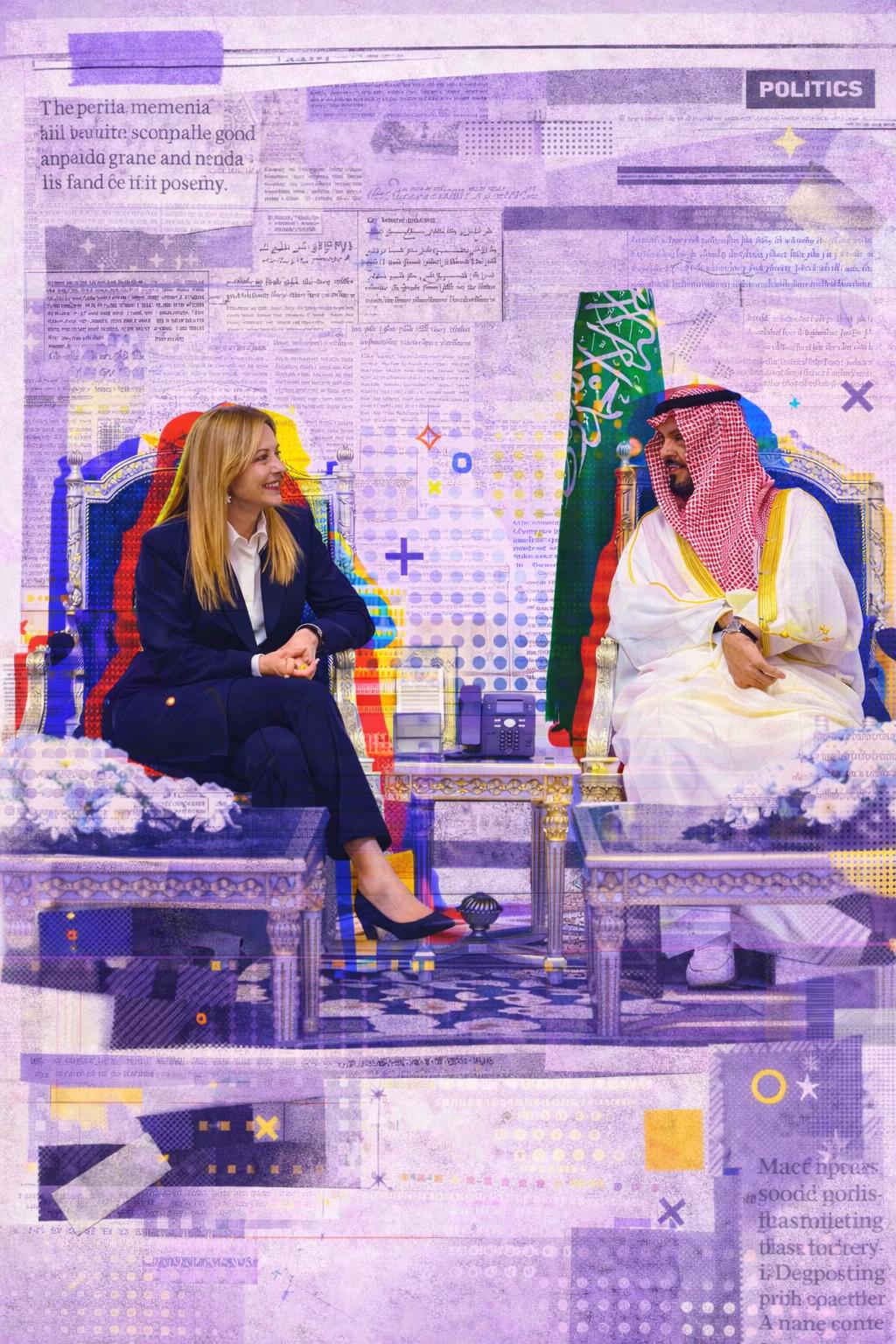
For the Italian government, the Gulf visit carried both strategic and symbolic weight. During this phase, Meloni is the first European leader to engage directly with the region’s highest authorities, starting with Saudi Crown Prince Mohammad bin Salman.
Riyadh first, with regional tensions in the background
Relations between Italy and Riyadh have expanded significantly under the crown prince. Meloni used the visit to signal closeness to Saudi Arabia at a moment of strong regional instability.
The conversation between the two leaders covered several sensitive dossiers, including the defensive military assistance provided by Rome, the outlook for the conflict underway, and the diplomatic efforts seen as necessary to move out of the current crisis.
Rather than drifting toward open confrontation, which some actors would happily encourage, the countries of the region are walking a narrow diplomatic line. Rome is watching that process closely.
Riyadh, Doha, Abu Dhabi and Muscat are all linked by a delicate balance between internal pressures and external demands, while trying to preserve their role as hubs of stability. That balance is reshaping the broader political order of the Arabian Peninsula, and Italy wants to support the effort with as much assistance as it can reasonably provide.
From there, the discussion moved to Europe’s energy needs, with an emphasis on securing supplies and limiting the damage of the crisis for businesses and households. The issue of freedom of navigation through the Strait of Hormuz returned as a priority, alongside a broader effort to consolidate stability through cooperation on investment, strategic infrastructure, security and defense.
Doha: support for Qatar and thanks for evacuations
Those same themes carried into the next stop in Doha, where Meloni was received by Qatar’s Emir, Sheikh Tamim bin Hamad Al-Thani.
In Qatar, Italy said it is ready to contribute, through the strengths of its industrial and technical system, to the rehabilitation of Qatari energy infrastructure. That infrastructure is central to energy security on a global scale, which is a useful detail when the whole world is nervously checking its fuel math.
The prime minister also thanked the Emir for the help provided in evacuating the many Italian citizens, especially tourists in transit, who chose to leave Qatar at the start of the conflict.
Meloni also stressed the message of proximity that her visit was meant to convey in the face of Iranian attacks.
Final stop in the United Arab Emirates
The Arab tour ended in Al Ain, in the United Arab Emirates, where Meloni met President Sheikh Mohamed bin Zayed Al Nahyan.
The two leaders went over all the main themes already discussed with the other regional counterparts, starting with stronger investment in the strategic energy sector.
The overall message of the trip was consistent from start to finish: Italy wants deeper ties with the Gulf, more secure energy supplies, and a more stable regional framework, preferably before the next crisis decides to do the scheduling itself.