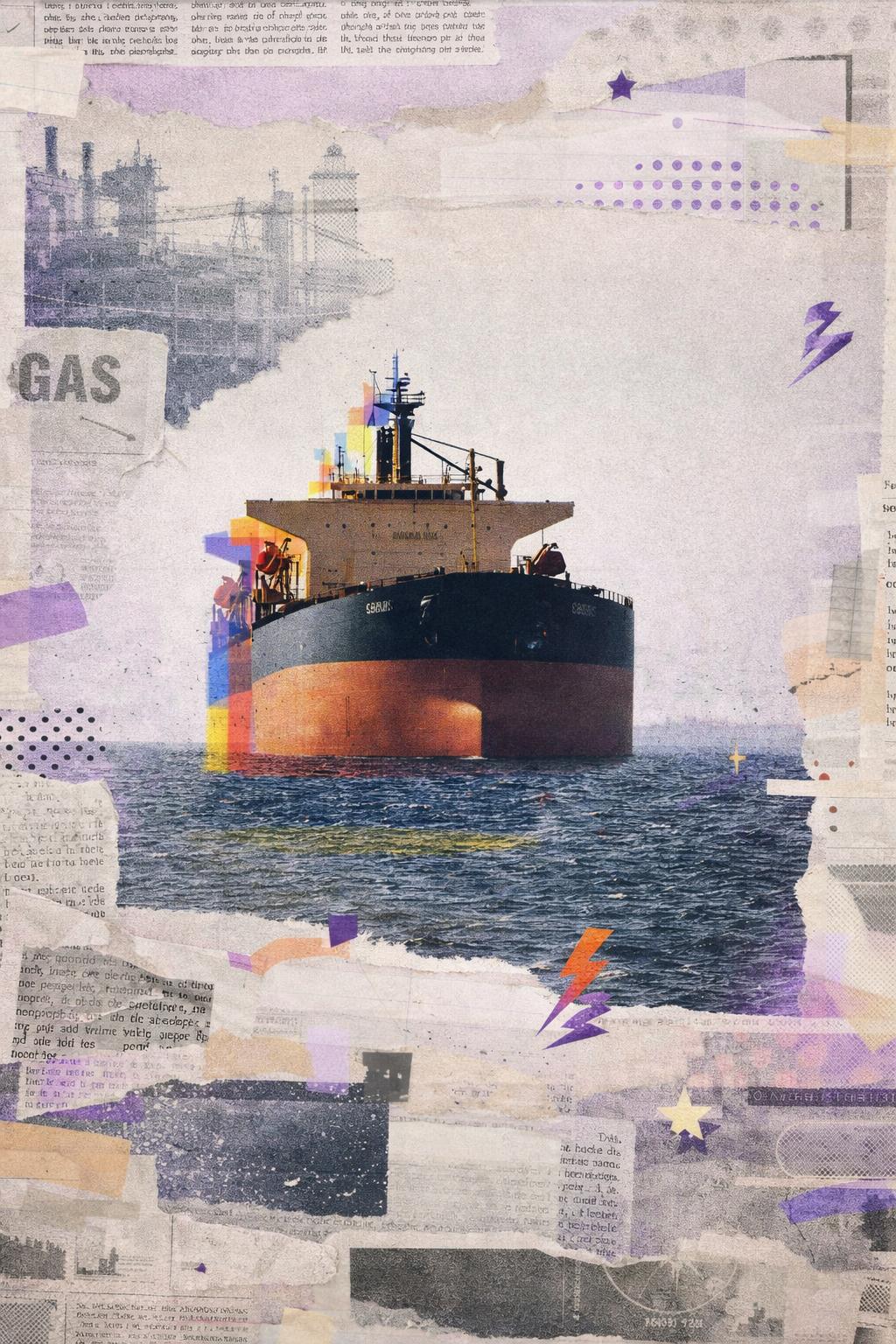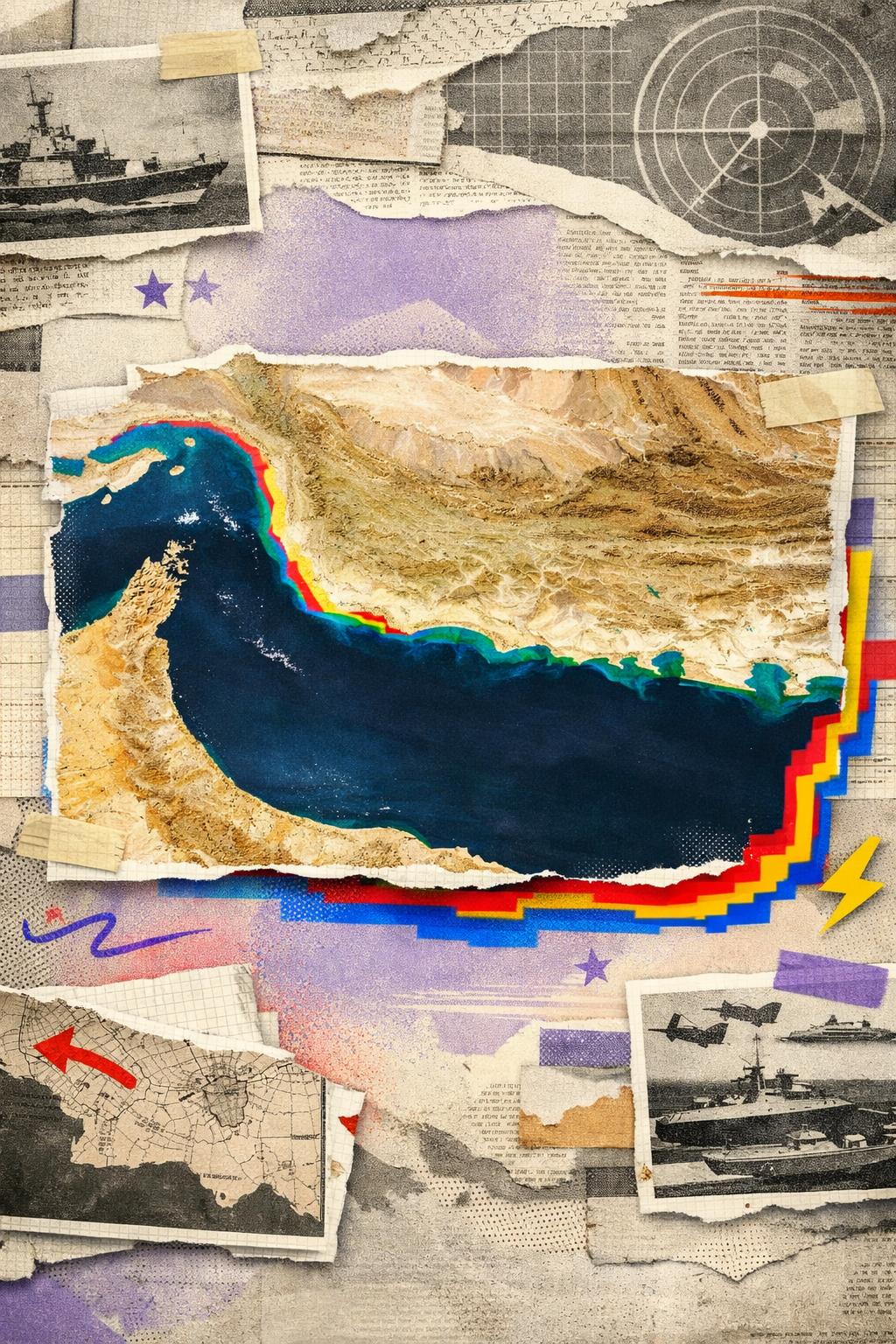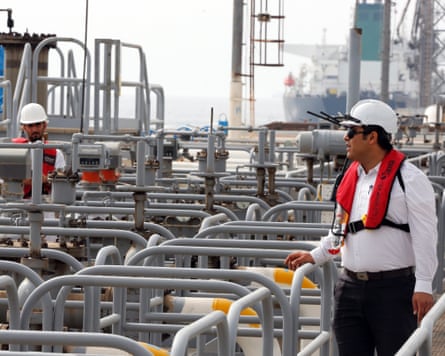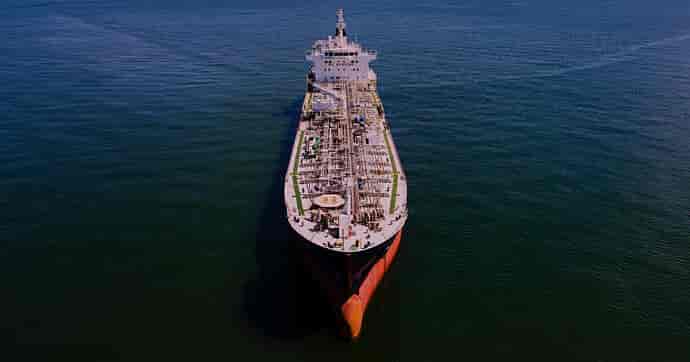
Picture this: a maritime traffic jam of epic proportions, not off the coast of Los Angeles or in the Suez Canal, but in the strategic waters of the Persian Gulf. According to data from the insurance market Lloyd's of London, approximately one thousand ships are currently stalled in the Gulf and around the Strait of Hormuz. This isn't just a logistical headache; it's a multi-billion-dollar freeze on global trade, with the combined value of the ships' hulls and onboard equipment alone exceeding $25 billion.
The reason? Escalating tensions in the Middle East have created a high-risk environment that the global shipping industry, and its insurers, are struggling to navigate. Half of these idled vessels are tankers carrying oil or gas, highlighting the direct threat to the world's energy supply. The Strait of Hormuz is no ordinary waterway—it's a crucial artery, handling roughly 20% of the world's daily oil and LNG exports. When traffic here slows, the entire global economy feels the pinch.
The Ripple Effect on Prices and Policies
The partial blockage is already sending shockwaves through commodity markets. Oil prices are climbing, with West Texas Intermediate (WTI) for April delivery rising nearly 4% to $77.58 a barrel and Brent crude for May up over 3% to $84.01. While natural gas prices have retreated slightly from earlier peaks, the volatility underscores the fragility of the situation.
At the heart of this standoff is the world of maritime insurance, led by the historic Lloyd's of London market. Without insurance coverage against war risks, most commercial ships simply cannot enter designated danger zones. In response to the heightened threat, the London market has already expanded the area of the Gulf classified as "high risk," a move that automatically drives up insurance premiums for any vessel daring to transit.
This creates a vicious cycle: higher risk leads to higher premiums, which can deter shipping, which in turn disrupts supply and pushes prices even higher. It's a stark reminder of how abstract concepts like "political risk" translate into very real costs at the gas pump and on utility bills worldwide.
Navigating the Crisis: Escorts and Emergency Guarantees
In an attempt to break the logjam, high-level discussions are underway. The insurance market is reportedly in talks with the U.S. International Development Finance Corporation (DFC) to develop a system of guarantees and insurance against political risk for maritime trade in the Gulf. This initiative follows a recent announcement from U.S. leadership about potential support for securing the vital passage.
Washington has also left the door open for a more direct intervention: the possibility of U.S. Navy warships escorting oil tankers through the tense strait if the situation deteriorates further. For insurers and shipowners, such military protection could be a game-changer, potentially lowering the perceived risk and making insurance coverage more attainable and affordable.
The Lloyd's Market Association (LMA), which represents the insurers at Lloyd's, has welcomed these exploratory efforts. Its CEO noted that the vast majority of ships in the region are insured through the London market and that, for now, coverage remains in place. The industry's goal is clear: to find solutions that restore both safety and "insurability" to one of the world's most critical trade routes.
A Global Chokepoint in the Cultural Consciousness
While this is a story of geopolitics, finance, and logistics, it's also a potent example of how a single geographic pinch point can hold the global economy hostage. For decades, the Strait of Hormuz has been a backdrop in thrillers and news headlines, a symbol of volatile energy dependence. Today, that fiction is reality.
The sight of a thousand ships waiting at sea is a powerful, almost cinematic image of disruption. It connects boardroom decisions in London and Washington to everyday life everywhere, influencing everything from the cost of a cross-country road trip to the stability of national economies. In our interconnected world, a crisis on the water doesn't stay at sea—it washes ashore in markets, media, and the collective anxiety about what comes next. The journey to calm these waters, both literally and figuratively, is just beginning.