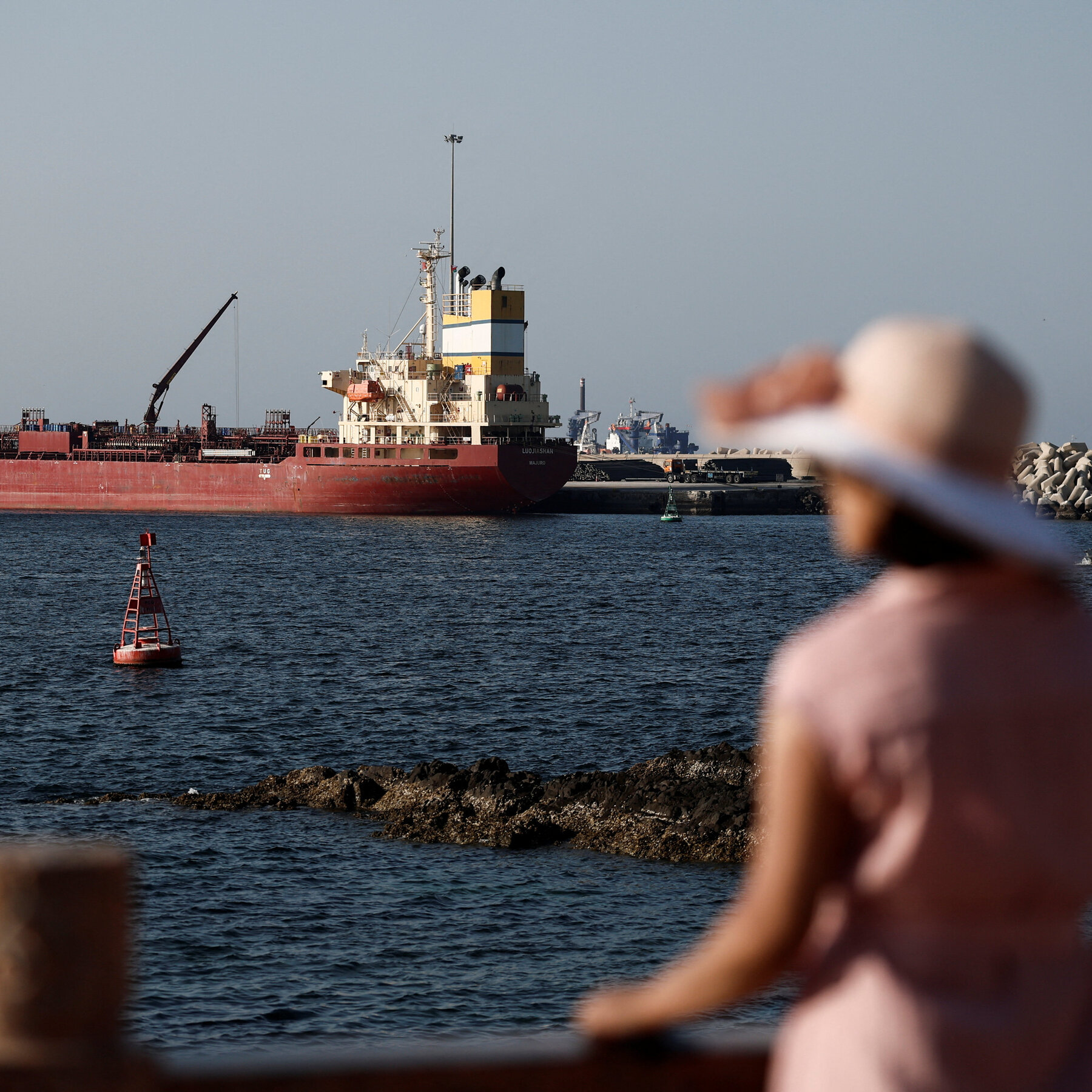
As markets reel from disruptions around the Persian Gulf, Asia sits squarely in the crosshairs of a shifting energy map. Recent hostilities tied to the Iran situation have put a spotlight on how much the region relies on Middle Eastern oil and LNG, and what happens when even a fraction of those supplies hits a snag.
Analysts warn that roughly a fifth of the world’s LNG and a sizable chunk of seaborne crude move through narrow chokepoints like the Strait of Hormuz. With tensions rising, the flow of these fuels to Asia could face renewed pressure, complicating procurement plans for some of the continent’s largest energy importers.
Market ripples and price dynamics
Oil benchmarks have surged as traders price in the risk of prolonged disruption. Industry observers say that any sustained choke point could push global energy costs higher and intensify inflationary pressures in economies that depend on imports for transportation and manufacturing.
- Asia’s LNG imports, already a major lifeline for electricity generation, could shoulder the brunt if deliveries slow or reroute due to maritime risk.
- Crude shipments from the Gulf could face delays, compounding tight supply conditions that emerged in early March as regional conflict escalated.
Impacts beyond the coastlines
Beyond price tags, the energy shock raises questions for Asia’s growth trajectory. Central banks and finance ministries may respond with policy tools to temper price volatility, while energy ministries drill down on contingency plans to diversify supplier risk and accelerate LNG stockpiling where feasible.
Companies across the region are weighing investments in alternative energy sources, improved storage, and more flexible procurement strategies to weather potential shortages. The overarching theme is a reminder that global energy security is a shared responsibility, with Asia’s energy security intimately tied to developments in the Gulf and Iran.
What to watch next
- How long the Strait of Hormuz situation persists and whether maritime routes can normalize, even partially, in the coming weeks.
- Whether Asian governments enact expedited reserves releases or introduce temporary price controls to stabilize consumer costs.
- Shifts in LNG pricing and contracts as buyers look for alternative suppliers or longer-term supply arrangements.
As the region navigates these choppy waters, policymakers and market participants will be watching energy flows as closely as headlines, mindful that the balance between supply security and price stability remains delicate and elusive.